The presence of harmful pests can be a nuisance for both gardeners and homeowners alike. Dealing with these unwelcome intruders can often lead to the use of harsh chemicals that can be harmful to the environment and our health. However, there are natural methods available that can effectively discourage pests without resorting to toxic substances. By implementing these eco-friendly strategies, you can protect your plants and living spaces without compromising on safety or sustainability.
Identifying Common Harmful Pests
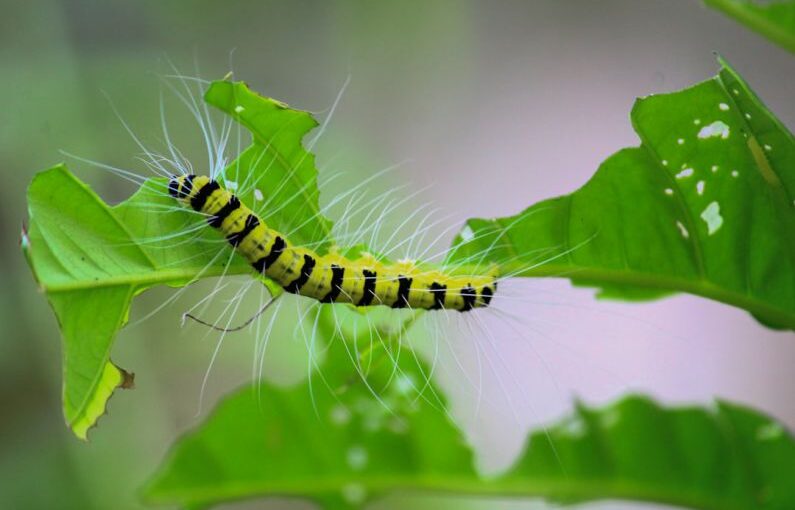
Before delving into natural pest deterrents, it is crucial to identify the specific pests that are causing trouble in your garden or home. Common pests vary depending on the region and type of plants you are growing. Some of the most prevalent harmful pests include aphids, snails, slugs, caterpillars, and spider mites. By understanding the behavior and preferences of these pests, you can tailor your pest management approach more effectively.
Maintain Healthy Plants
One of the most fundamental ways to discourage harmful pests naturally is to maintain healthy plants. Pests are often attracted to weak or stressed plants, as they are more susceptible to infestations. Ensure that your plants receive adequate sunlight, water, and nutrients to promote strong growth and resilience. Healthy plants have a better chance of fending off pest attacks on their own, reducing the need for intervention.
Encourage Beneficial Insects
In nature, there is a delicate balance between pests and beneficial insects that help keep populations in check. By attracting beneficial insects to your garden, you can create a natural pest control system that is both effective and sustainable. Ladybugs, lacewings, and parasitic wasps are just a few examples of beneficial insects that prey on harmful pests. Planting diverse native flowers and providing habitat structures such as bug hotels can help attract these beneficial insects to your garden.
Use Natural Repellents
Natural repellents can be an effective way to deter pests without resorting to chemical pesticides. Many pests are sensitive to strong scents and flavors, making certain plants and substances effective repellents. For example, planting marigolds, garlic, and chrysanthemums can help repel aphids, mosquitoes, and other unwanted pests. Additionally, homemade sprays made from ingredients like neem oil, peppermint oil, or garlic can be sprayed on plants to discourage pests.
Practice Crop Rotation
Crop rotation is a traditional farming practice that involves planting different crops in a specific sequence to prevent the buildup of pests and diseases in the soil. By rotating your crops each season, you can disrupt the life cycle of pests and reduce their populations naturally. Certain pests are attracted to specific plant species, so alternating crops can help break the cycle of infestations.
Implement Physical Barriers
Physical barriers can be an effective way to protect your plants from pests without using chemicals. For example, placing row covers over your crops can prevent insects from reaching them, reducing the risk of infestation. Creating barriers such as copper tape around pots can deter slugs and snails, as they are repelled by the metal’s electrical charge. Additionally, installing netting or fencing can help keep larger pests like birds and rodents at bay.
Conclusion – Embracing Natural Pest Management
In conclusion, discouraging harmful pests naturally is not only beneficial for the environment but also for your own well-being. By implementing a combination of strategies such as maintaining healthy plants, encouraging beneficial insects, using natural repellents, practicing crop rotation, and implementing physical barriers, you can create a sustainable and effective pest management plan. Embrace these natural methods to protect your garden and home from pests while promoting a healthier ecosystem overall. By working with nature rather than against it, you can achieve a pest-free environment that is safe and harmonious for all.