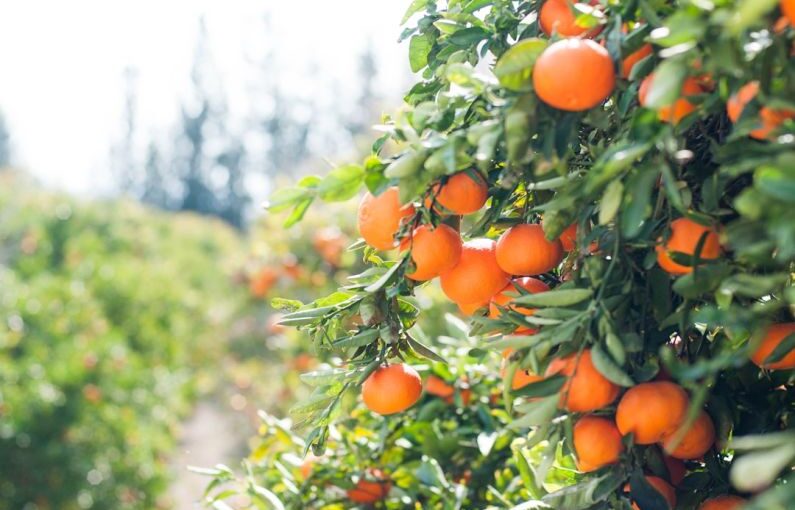
Fruit trees can be a delightful addition to your backyard, providing fresh, flavorful produce right at your doorstep. Growing your own fruit trees not only offers the convenience of having your favorite fruits within arm’s reach but also allows you to enjoy the satisfaction of nurturing these trees from saplings to bountiful harvests. With the right care and attention, you can cultivate a thriving fruit orchard in your own outdoor space.
Choosing the Right Fruit Trees
Selecting the appropriate fruit trees for your backyard is crucial to ensure successful growth and a plentiful harvest. Consider factors such as climate, soil type, and available space when choosing which fruit trees to plant. Different fruits thrive in different conditions, so it’s essential to do some research or seek advice from local nurseries to determine which fruit trees are best suited for your area.
Some popular fruit trees that are relatively easy to grow in backyard settings include apple trees, cherry trees, peach trees, and citrus trees. These trees not only produce delicious fruits but also add beauty and shade to your outdoor space. Additionally, dwarf or semi-dwarf varieties are available for many fruit trees, making them suitable for smaller yards or even container gardening.
Planting and Caring for Fruit Trees
Once you’ve selected the fruit trees you want to grow, proper planting and care are essential for their long-term health and productivity. Fruit trees generally prefer well-drained soil with plenty of sunlight, so choose a sunny spot in your backyard for planting. Dig a hole that is slightly wider and deeper than the tree’s root ball, and backfill with a mixture of soil and compost to provide nutrients for growth.
Watering is crucial, especially during the tree’s establishment period. Be sure to water newly planted trees regularly, ensuring that the soil remains consistently moist but not waterlogged. As the tree matures, adjust your watering schedule based on weather conditions and the tree’s specific requirements.
Pruning is another important aspect of fruit tree care, as it helps maintain the tree’s shape, promote healthy growth, and maximize fruit production. Prune your fruit trees during the dormant season, removing dead or diseased branches and shaping the tree to encourage airflow and sunlight penetration.
Pest and Disease Control
Keeping your fruit trees healthy and free from pests and diseases is essential to ensure a successful harvest. Monitor your trees regularly for signs of pest infestations or disease, such as discolored leaves, unusual spots, or insect activity. Consider using organic pest control methods, such as neem oil or insecticidal soap, to protect your fruit trees without harmful chemicals.
Additionally, practicing good garden hygiene, such as removing fallen fruit and debris, can help prevent pests and diseases from taking hold in your orchard. Properly disposing of pruned branches and maintaining a clean garden space can go a long way in preventing problems before they occur.
Harvesting and Enjoying Your Fruits
As your fruit trees mature and begin to bear fruit, the excitement of harvesting your own homegrown produce sets in. Different fruits have varying ripening times, so it’s essential to familiarize yourself with when to expect your fruits to be ready for picking. Harvest your fruits when they are ripe but still firm, as fruits left on the tree too long may become overripe or attract pests.
Once harvested, enjoy your fruits fresh off the tree or get creative in the kitchen with delicious recipes that showcase your homegrown produce. Whether you make pies, jams, or simply enjoy a fresh piece of fruit, the satisfaction of growing fruit trees in your backyard is unmatched.
Creating a Fruitful Future
Growing fruit trees in your backyard is a rewarding endeavor that not only provides you with fresh, flavorful fruits but also connects you to the natural world and the cycles of growth and harvest. With proper care and attention, your fruit trees can thrive and provide you with a bountiful harvest for years to come. So roll up your sleeves, get your hands dirty, and start cultivating your own backyard orchard today.