In the midst of the serene beauty of wooded and forested areas, the threat of fire looms large. The risk of wildfires in such environments is a serious concern, as these areas are highly susceptible to the rapid spread of flames due to the abundance of dry vegetation and windy conditions. As nature enthusiasts, campers, and residents living near these areas, it is crucial to be well-informed and prepared when it comes to fire safety. By understanding the potential risks and taking proactive measures, we can help prevent the devastation that wildfires can bring.
**Understanding the Risks**
Wooded and forested areas are particularly vulnerable to wildfires due to the presence of dense vegetation, dry foliage, and windy conditions. The combination of these factors creates an environment where fires can spread quickly and uncontrollably, endangering lives, property, and natural habitats. In such areas, a small spark can escalate into a large-scale wildfire within minutes, making it essential to be aware of the risks and take necessary precautions.
**Preventive Measures**
Prevention is key when it comes to fire safety in wooded and forested areas. One of the most effective ways to prevent wildfires is by practicing responsible behavior. This includes avoiding activities that can easily ignite fires, such as discarding cigarettes carelessly, using fireworks, or operating machinery that can generate sparks. Additionally, it is important to adhere to any fire bans or restrictions in place and to be mindful of the weather conditions, especially during dry and windy periods when the risk of wildfires is heightened.
**Campfire Safety**
Campfires are a common feature in wooded and forested areas, providing warmth and a source of light for outdoor enthusiasts. However, it is essential to exercise caution when building and maintaining campfires to prevent them from escalating into wildfires. When setting up a campfire, choose a clear spot away from overhanging branches, dry grass, and other flammable materials. Keep the fire small and manageable, and never leave it unattended. Always ensure the fire is completely extinguished before leaving the area or going to sleep.
**Equipment and Tools**
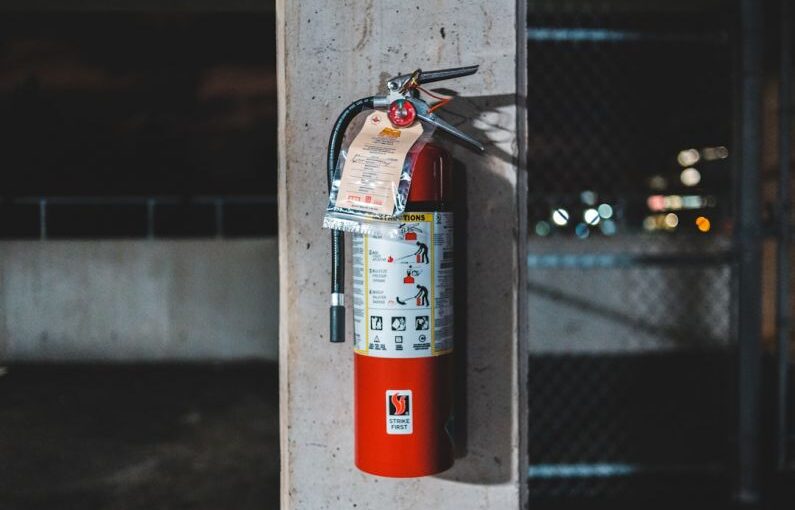
Having the right equipment and tools on hand can make a significant difference in fire safety in wooded and forested areas. Carry a shovel, bucket of water, and fire extinguisher when venturing into these environments to quickly extinguish any small fires that may arise. Clearing dry leaves, twigs, and other flammable debris from the immediate vicinity can also help reduce the risk of fires spreading. Being prepared and equipped can save valuable time in case of an emergency.
**Emergency Response**
Despite taking all necessary precautions, wildfires can still occur in wooded and forested areas. In such situations, knowing how to respond quickly and effectively is crucial. If you spot a wildfire, alert the authorities immediately and evacuate the area if instructed to do so. Stay informed about the fire’s progress and follow any evacuation orders to ensure your safety and that of others around you. Do not attempt to fight the fire unless you have the proper training and equipment.
**Staying Informed**
Staying informed about fire safety guidelines and updates is essential for anyone spending time in wooded and forested areas. Keep abreast of any fire bans, restrictions, or alerts in place in the area you are visiting. Familiarize yourself with evacuation routes and emergency contact numbers so that you can act swiftly in case of a wildfire. By staying informed and prepared, you can reduce the risks associated with wildfires and protect yourself and the environment.
**In Conclusion**
Fire safety in wooded and forested areas is a collective responsibility that requires awareness, preparedness, and responsible behavior. By understanding the risks, practicing preventive measures, being cautious with campfires, having the right equipment, knowing how to respond in emergencies, and staying informed, we can help mitigate the threat of wildfires and ensure the safety of ourselves and others. Remember, when it comes to fire safety in these environments, prevention is key.