Ensuring Safe Practices for Chemical Use in Tree Care
Maintaining the health and vitality of trees often involves the use of various chemicals to address pests, diseases, and nutrient deficiencies. While these products can be effective in promoting tree growth and resilience, improper handling and application of chemicals can pose risks to both human health and the environment. To ensure the safe and responsible use of chemicals in tree care, arborists and homeowners alike must adhere to best practices and guidelines. By following proper protocols, individuals can protect themselves, their trees, and the surrounding ecosystem from potential harm.
Understanding Chemicals Used in Tree Care
Before delving into the safe practices for chemical use in tree care, it is crucial to have a basic understanding of the types of chemicals commonly employed in arboriculture. These may include pesticides, herbicides, fungicides, and fertilizers, each serving a specific purpose in tree maintenance. Pesticides target insects and other pests that can damage trees, while herbicides control unwanted vegetation. Fungicides combat fungal infections, and fertilizers provide essential nutrients for tree growth.
Proper Storage and Handling
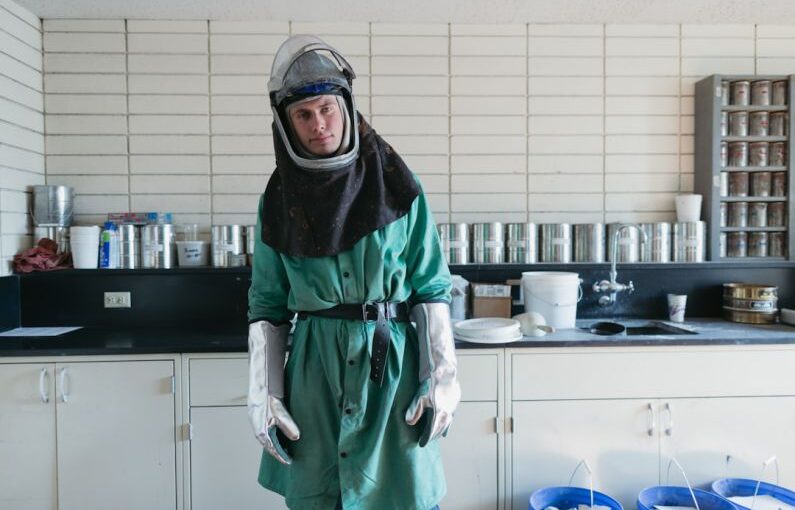
One of the fundamental aspects of ensuring safety when using chemicals in tree care is proper storage and handling. All chemical products should be stored in their original containers with intact labels that provide information on the contents and handling instructions. It is essential to keep chemicals in a secure location away from children, pets, and food items to prevent accidental exposure or ingestion. Additionally, individuals should wear appropriate personal protective equipment (PPE) such as gloves, goggles, and masks when handling chemicals to minimize direct contact.
Accurate Application Techniques
Accurate application of chemicals is crucial for maximizing their effectiveness while minimizing potential risks. Before applying any product, individuals should carefully read and follow the manufacturer’s instructions regarding dosage, dilution ratios, and application methods. Using the right equipment, such as sprayers or dusters, can help ensure uniform coverage and targeted delivery of the chemical to the tree or affected area. Avoid overapplication, as excess chemicals can leach into the soil or waterways, causing harm to beneficial organisms and ecosystems.
Timing and Weather Considerations
The timing of chemical application plays a significant role in its efficacy and safety. Applying chemicals during the appropriate season and weather conditions can enhance their absorption and minimize the risk of drift or runoff. It is advisable to avoid spraying chemicals on windy days to prevent unintended spread to non-target areas. Similarly, applying chemicals during periods of rainfall may result in wash-off, reducing their effectiveness and increasing the likelihood of environmental contamination.
Integrated Pest Management Practices
Incorporating integrated pest management (IPM) practices into tree care routines can help reduce the reliance on chemical treatments while promoting long-term tree health. IPM involves a combination of cultural, biological, and chemical control methods to manage pests and diseases in a holistic and sustainable manner. By maintaining tree vigor through proper pruning, watering, and mulching, individuals can create an environment that is less susceptible to pest infestations, thus minimizing the need for chemical interventions.
Monitoring and Evaluation
Regular monitoring of tree health is essential for early detection of pests, diseases, or nutrient deficiencies that may require chemical treatments. By inspecting trees for signs of stress, leaf discoloration, pest activity, or unusual growth patterns, individuals can intervene promptly and effectively. It is crucial to evaluate the efficacy of chemical treatments by assessing the tree’s response and monitoring for any adverse effects on non-target organisms or the environment.
Safely Disposing of Chemical Containers
Once the chemical application is complete, proper disposal of containers is essential to prevent environmental contamination. Empty containers should be rinsed thoroughly according to the manufacturer’s instructions and disposed of in designated waste collection sites or recycling facilities. Avoid burning or burying chemical containers, as this can release harmful substances into the soil and air. By following proper disposal practices, individuals can minimize the impact of chemical residues on the environment.
Ensuring Compliance with Regulations
Lastly, it is essential to comply with local, state, and federal regulations governing the use of chemicals in tree care. Familiarize yourself with relevant laws, permits, and restrictions regarding the purchase, storage, application, and disposal of chemical products. By adhering to regulatory requirements and seeking guidance from certified arborists or extension services, individuals can ensure that their tree care practices are safe, effective, and environmentally responsible.
Incorporating these safe practices for chemical use in tree care can help arborists, landscapers, and homeowners protect both trees and the environment from potential harm. By understanding the proper storage, handling, application, and disposal of chemicals, individuals can promote tree health while minimizing risks to human health and ecosystems. Remember, safety should always be a top priority when using chemicals in tree care to ensure the well-being of all living organisms in the surrounding environment.