When it comes to landscaping and yard maintenance, the common practice is often to remove any leftover stumps from trees that have been cut down. However, these stumps can actually serve as valuable resources for attracting wildlife to your outdoor space. By leaving these stumps in place, you can create a habitat that supports a variety of species, adding both beauty and biodiversity to your yard.
Creating Habitat for Wildlife
Leftover stumps provide a natural habitat for a wide range of wildlife, from insects and birds to mammals and amphibians. These stumps can serve as homes for insects like beetles, ants, and termites, which in turn attract birds looking for a meal. Woodpeckers, in particular, are known to make their homes in decaying wood, creating nesting cavities that can be used by a variety of other bird species.
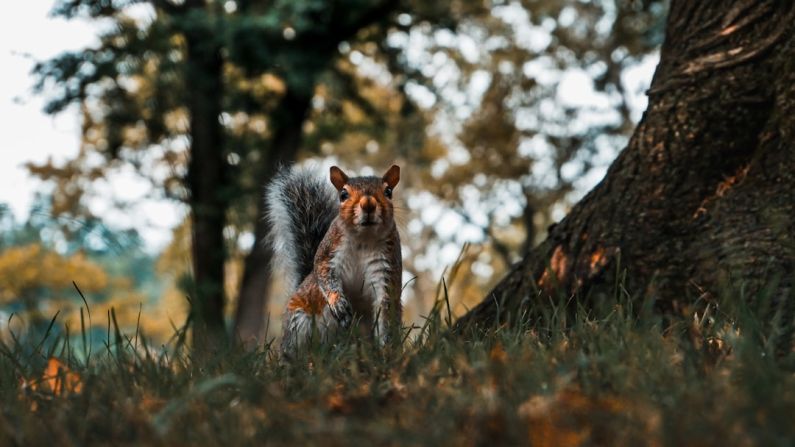
In addition to providing shelter and food sources, stumps also offer protection for smaller animals. Chipmunks, squirrels, and rabbits may use stumps as hiding spots or nesting sites, helping them evade predators and harsh weather conditions. By leaving stumps in your yard, you can create a welcoming environment for these critters, encouraging them to make your property their home.
Enhancing Biodiversity
Biodiversity refers to the variety of plant and animal species present in a particular ecosystem. By incorporating leftover stumps into your landscape, you can help increase biodiversity by providing habitat for a diverse array of wildlife species. This, in turn, can lead to a healthier and more resilient ecosystem, as different species play unique roles in maintaining ecological balance.
Incorporating leftover stumps into your yard can also help attract pollinators like bees and butterflies, which are essential for the reproduction of many plant species. By providing a diverse range of habitats, you can encourage these important pollinators to visit your yard, aiding in the pollination of flowers and other plants.
Creating a Natural Aesthetic
In addition to the ecological benefits of attracting wildlife, leftover stumps can also contribute to the aesthetic appeal of your outdoor space. Stumps can add a natural and rustic element to your landscape, creating visual interest and texture. Whether used as standalone features or incorporated into garden designs, stumps can enhance the overall look of your yard and provide a unique focal point.
When strategically placed, stumps can serve as natural seating or tables, adding functionality to their decorative appeal. By embracing the natural beauty of leftover stumps, you can create a harmonious blend of form and function in your outdoor environment.
Maintaining Healthy Soil
Leftover stumps can also play a role in maintaining healthy soil in your yard. As stumps decompose, they release nutrients back into the soil, enriching it and supporting the growth of other plants. This natural process of decomposition helps improve soil fertility and structure, creating a more hospitable environment for a variety of plant species.
In addition to nutrient cycling, decomposing stumps can also help improve soil moisture retention and aeration. By retaining moisture and promoting better drainage, stumps can help support the growth of a diverse range of plants, creating a lush and thriving landscape.
Embracing Sustainable Practices
In a world where environmental conservation is becoming increasingly important, embracing sustainable practices in landscaping can make a significant impact. By choosing to leave leftover stumps in your yard, you can contribute to the preservation of wildlife habitats and the promotion of biodiversity. This simple yet impactful decision can help create a more sustainable and ecologically friendly outdoor space, benefiting both wildlife and the environment as a whole.
Conclusion
Incorporating leftover stumps into your landscape can offer a multitude of benefits, from providing habitat for wildlife to enhancing biodiversity and supporting healthy soil. By embracing the natural beauty of these stumps, you can create a vibrant and sustainable outdoor environment that attracts a variety of species and adds character to your yard. So, next time you consider removing a leftover stump, think about the potential it holds for creating a thriving ecosystem right in your own backyard.