Maintaining the health and vitality of trees is essential for a thriving outdoor environment. However, pesky pests can wreak havoc on trees, causing damage and potentially leading to their demise. While professional pest control services are available, many homeowners prefer to take a more hands-on approach with do-it-yourself methods that are safe, effective, and environmentally friendly. By utilizing natural remedies and preventative measures, you can protect your trees from harmful pests without resorting to harsh chemicals. Here are some DIY pest control methods that are both safe and efficient.
Identifying Common Tree Pests
Before delving into pest control methods, it’s crucial to be able to identify common tree pests. Some of the most prevalent tree pests include aphids, spider mites, caterpillars, and beetles. These pests can cause damage to leaves, stems, and roots, affecting the overall health of the tree. By familiarizing yourself with the signs of pest infestation, you can take timely action to address the issue before it escalates.
Neem Oil Spray
Neem oil is a natural insecticide that is derived from the seeds of the neem tree. It is effective in controlling a wide range of pests, including aphids, caterpillars, and beetles. To create a neem oil spray, mix one or two tablespoons of neem oil with a few drops of dish soap and water in a spray bottle. Shake well before use and apply the solution to the affected areas of the tree. Neem oil works by disrupting the feeding and reproductive cycles of pests, making it an eco-friendly alternative to chemical pesticides.
Beneficial Insects
Introducing beneficial insects to your outdoor space can help keep tree pests in check. Ladybugs, lacewings, and predatory mites are natural predators of many common tree pests and can help maintain a healthy balance in your garden ecosystem. You can attract beneficial insects by planting a diverse range of flowering plants and herbs that provide food and shelter for these helpful creatures. By encouraging a biodiverse environment, you can reduce the likelihood of pest infestations and promote the overall health of your trees.
Pruning and Sanitation
Regular pruning and sanitation practices can help prevent pest infestations by removing diseased or damaged branches that attract pests. Prune your trees during the dormant season to promote healthy growth and improve air circulation, reducing the risk of fungal diseases. Remove fallen leaves, fruit, and debris from around the base of the tree to eliminate hiding spots for pests and prevent the spread of infections. By maintaining a clean and well-ventilated environment, you can create conditions that are less favorable to tree pests.
Physical Barriers
Physical barriers such as sticky traps and row covers can be effective in deterring pests from infesting your trees. Sticky traps can be placed on tree trunks to capture crawling insects like aphids and caterpillars, preventing them from reaching the foliage. Row covers made of lightweight fabric can be draped over trees to protect them from flying insects and birds. Ensure that the barriers are secure and properly installed to avoid causing damage to the tree or hindering its growth.
Companion Planting
Companion planting involves growing certain plants near trees to repel pests or attract beneficial insects. For example, planting marigolds near fruit trees can help deter aphids and nematodes, while attracting pollinators like bees and butterflies. Herbs such as basil, mint, and rosemary have natural pest-repelling properties and can be planted around trees to discourage insect infestations. By strategically selecting companion plants, you can create a natural defense system that supports the health and vitality of your trees.
Maintaining a Healthy Environment
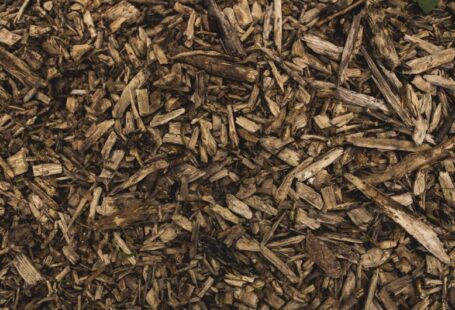
Creating a healthy environment for your trees is key to preventing pest infestations and promoting their overall well-being. Proper watering, fertilization, and mulching practices can help trees withstand stress and resist pest attacks. Avoid over-fertilizing, as excessive nitrogen levels can attract pests and weaken the tree’s natural defenses. Mulching around the base of the tree can help retain moisture, regulate soil temperature, and suppress weed growth, enhancing the tree’s resilience against pests.
Conclusion: Safeguarding Your Trees
Protecting your trees from pests doesn’t have to involve harsh chemicals or expensive treatments. By incorporating natural remedies and preventative measures into your gardening routine, you can effectively control pest infestations while promoting a healthy and sustainable outdoor environment. From neem oil sprays to beneficial insects and companion planting, there are numerous DIY pest control methods that are safe, effective, and environmentally friendly. By taking a proactive approach to tree care and pest management, you can ensure the longevity and beauty of your outdoor landscape for years to come.