Ensuring Safety: Emergency Procedures for Tree Service Providers
Tree service providers play a crucial role in maintaining the health and aesthetics of landscapes. However, the nature of their work exposes them to various risks and hazards. It is essential for tree service providers to have a comprehensive understanding of emergency procedures to ensure their safety and the safety of others while on the job.
Assessing the Situation
Before diving into emergency procedures, it is crucial for tree service providers to assess the situation carefully. Understanding the nature and severity of the emergency is the first step in responding effectively. Whether it is a worker injury, equipment malfunction, or a sudden change in weather conditions, quick assessment can help in determining the appropriate course of action.
Worker Safety Comes First
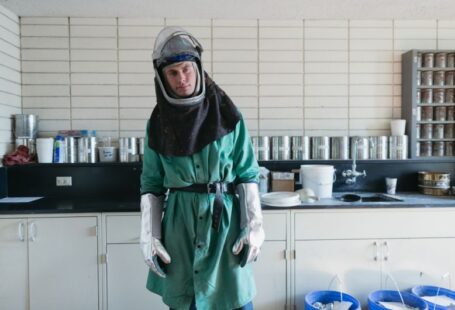
In any emergency situation, the safety of workers should always be the top priority. Tree service providers must have clear protocols in place to ensure the well-being of their team members. This includes providing proper safety training, personal protective equipment, and emergency contact information. In the event of an emergency, workers should know who to contact and what steps to take to mitigate risks.
Equipment Malfunctions
Equipment malfunctions are not uncommon in the tree service industry and can pose significant risks to workers. In the event of equipment failure, it is crucial for tree service providers to have a plan in place to address the issue promptly. Regular maintenance checks and inspections can help prevent equipment malfunctions, but having backup equipment available can also be a lifesaver in emergency situations.
Weather-Related Emergencies
Weather conditions can change rapidly, posing serious threats to tree service providers working outdoors. Strong winds, lightning, or heavy rain can increase the risk of accidents and injuries. Tree service providers should closely monitor weather forecasts and have protocols in place to respond to sudden weather changes. In the event of a storm or severe weather warning, workers should seek shelter immediately and refrain from working until conditions are safe.
Medical Emergencies
Injuries can occur unexpectedly in the tree service industry, ranging from minor cuts and bruises to more severe incidents. Tree service providers should have designated first-aid kits readily available on-site and ensure that workers are trained in basic first-aid procedures. In the event of a medical emergency, quick response and proper first-aid administration can make a significant difference in the outcome.
Communication is Key
Effective communication is essential in emergency situations to ensure that everyone is on the same page and that information is relayed promptly. Tree service providers should establish clear communication channels, including emergency contact numbers and protocols for reporting incidents. Regular communication drills and updates on emergency procedures can help ensure that everyone is prepared to respond effectively in case of an emergency.
Aftermath and Follow-Up
Once the immediate emergency has been addressed, tree service providers should conduct a thorough review of the incident to identify any areas for improvement. This may include revising safety protocols, providing additional training, or making necessary equipment upgrades. Follow-up with workers who were involved in the emergency is also essential to ensure their well-being and address any concerns they may have.
In conclusion, emergency procedures are crucial for tree service providers to ensure the safety of their workers and the efficiency of their operations. By assessing situations, prioritizing worker safety, addressing equipment malfunctions, preparing for weather-related emergencies, handling medical incidents, prioritizing communication, and conducting post-emergency reviews, tree service providers can be better equipped to respond to emergencies effectively. Being proactive and prepared can make all the difference when faced with unexpected challenges in the tree service industry.