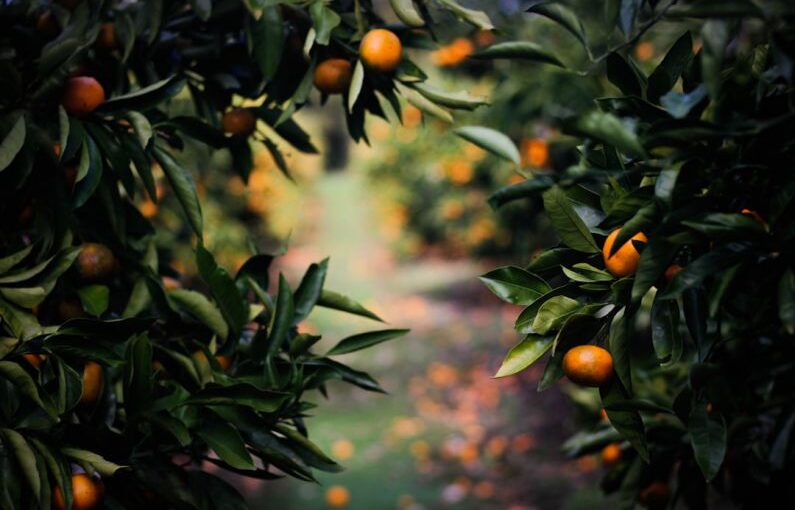
Fruit trees are a valuable addition to any garden or orchard, providing not only delicious fruits but also aesthetic beauty. To ensure optimal fruit production and tree health, proper pruning techniques are essential. Pruning involves selectively removing branches or parts of a tree to promote growth, improve fruit quality, and maintain tree structure. By understanding the principles of pruning and implementing the right strategies, you can maximize fruit production and enjoy a bountiful harvest year after year.
The Importance of Pruning
Pruning plays a crucial role in the overall health and productivity of fruit trees. By removing dead, diseased, or damaged branches, you can prevent the spread of diseases and pests, promoting the tree’s overall well-being. Additionally, pruning helps enhance air circulation and sunlight penetration within the tree canopy, which is vital for fruit development. Proper pruning also stimulates new growth, leading to increased fruit production and improved fruit quality.
Timing is Key
One of the most critical aspects of successful pruning is timing. The timing of pruning can vary depending on the type of fruit tree and the desired outcome. In general, it is best to prune fruit trees during their dormant season, which is typically in late winter or early spring before new growth begins. Pruning during this time helps minimize stress on the tree and allows for optimal healing of pruning wounds. However, some fruit trees, such as stone fruits like peaches and cherries, are best pruned after they have finished fruiting in late summer to early fall.
Training Young Trees
Proper pruning techniques are particularly important for young fruit trees to establish a strong framework and encourage healthy growth. When planting a new fruit tree, it is essential to prune it to shape and train its structure. This initial pruning helps create a sturdy central leader and well-spaced scaffold branches that will support future fruit production. By shaping the tree early on, you can prevent overcrowding, improve sunlight exposure, and facilitate easier maintenance in the future.
Thinning for Quality and Quantity
Thinning is another essential pruning technique that involves selectively removing excess fruit to improve fruit size, quality, and overall production. Thinning helps reduce competition among fruits for resources such as nutrients and sunlight, resulting in larger and sweeter fruits. Overloaded branches are more prone to breakage and can lead to a decrease in fruit quality. Thinning also helps prevent biennial bearing, where a tree produces a heavy crop one year and a sparse crop the next, by promoting more consistent fruit production.
Renewal Pruning
Renewal pruning is a technique used to rejuvenate older fruit trees that have become overgrown or unproductive. This method involves selectively removing old, weak, or unproductive branches to stimulate new growth and rejuvenate the tree. By gradually removing a portion of the oldest branches each year, you can renew the tree’s vigor, improve fruit production, and prolong its lifespan. Renewal pruning is particularly beneficial for fruit trees that have not been properly maintained in recent years and need a fresh start.
Maintaining Tree Health
In addition to promoting fruit production, pruning plays a vital role in maintaining the overall health and longevity of fruit trees. Regular pruning helps remove diseased or damaged branches, reducing the risk of infections and infestations. Proper pruning also opens up the tree canopy, allowing for better air circulation and sunlight exposure, which are essential for photosynthesis and fruit development. By keeping your fruit trees healthy and well-maintained through regular pruning, you can enjoy a thriving orchard for years to come.
Maximizing Fruit Production
Pruning is a fundamental practice for maximizing fruit production and ensuring the long-term health of fruit trees. By understanding the importance of pruning, utilizing proper techniques, and timing your pruning efforts strategically, you can promote healthy growth, improve fruit quality, and increase overall productivity. Whether you are shaping a young tree, thinning excess fruit, or rejuvenating an older tree, pruning is a valuable tool for any fruit grower looking to optimize their harvests. With careful attention and consistent pruning practices, you can enjoy abundant fruit yields and a flourishing orchard for years to come.