Every tree in your yard is a valuable asset, providing shade, beauty, and environmental benefits. To ensure the health and longevity of your trees, it is essential to pay attention to their roots. One of the most effective ways to protect and nurture tree roots is through mulching. Mulching not only enhances the aesthetics of your landscape but also plays a crucial role in maintaining the health of your trees. In this article, we will delve into the basics of mulching and how it can benefit your tree’s roots.
Understanding the Benefits of Mulching
Mulching serves as a protective barrier around the base of a tree, offering numerous benefits to the root system. One of the primary advantages of mulching is that it helps to retain moisture in the soil. By acting as an insulating layer, mulch prevents water evaporation, ensuring that the roots receive an adequate water supply, especially during hot and dry periods. Additionally, mulch helps to regulate soil temperature, keeping the roots cool in the summer and warm in the winter.
Moreover, mulch acts as a weed barrier, inhibiting the growth of unwanted plants that compete with the tree for water and nutrients. By preventing weeds from encroaching on the tree’s root zone, mulch allows the roots to absorb essential nutrients more efficiently. Furthermore, mulching can improve soil structure and fertility over time as the organic matter in the mulch decomposes, enriching the soil with valuable nutrients.
Choosing the Right Mulch
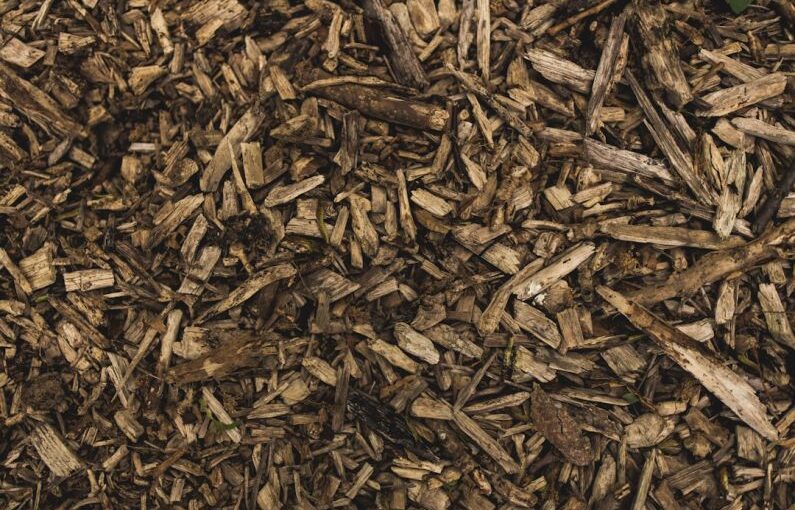
When it comes to selecting mulch for your trees, it is essential to choose the right type of material. Organic mulches such as wood chips, shredded bark, straw, and compost are popular choices due to their ability to improve soil quality as they decompose. These materials not only provide a protective layer around the tree but also contribute to soil health by adding organic matter.
In contrast, inorganic mulches like stones, gravel, and landscape fabric offer a more permanent solution but do not provide the same benefits as organic mulches in terms of soil enrichment. When choosing mulch, opt for materials that are free from chemicals and toxins that could harm your tree’s roots. Additionally, consider the aesthetic appeal of the mulch and how it complements your landscape design.
Applying Mulch Correctly
Proper mulching techniques are essential to maximize the benefits for your tree’s roots. When applying mulch, ensure that it is spread evenly around the base of the tree in a layer that is two to four inches thick. Avoid piling mulch against the trunk of the tree, as this can create a moist environment that promotes rot and disease.
Leave a small gap between the mulch and the tree trunk to allow for air circulation and prevent moisture buildup. Mulch should extend out to the dripline of the tree, covering the root zone where the majority of the roots are located. Replenish the mulch as needed to maintain the proper depth and coverage throughout the year.
Monitoring and Maintenance
After mulching your tree, it is essential to monitor the condition of the mulch and make adjustments as needed. Periodically check the mulch for signs of compaction, which can restrict water and air flow to the roots. Fluff up the mulch with a rake to prevent compaction and ensure that it remains loose and aerated.
Additionally, keep an eye out for any signs of pests or diseases that may be present in the mulch. Remove any diseased or moldy mulch promptly to prevent the spread of pathogens to your tree. By staying vigilant and maintaining your mulch regularly, you can ensure that your tree’s roots remain healthy and protected for years to come.
In conclusion, mulching is a simple yet effective way to protect and nurture your tree’s roots. By understanding the benefits of mulching, choosing the right materials, applying mulch correctly, and monitoring its condition, you can create an optimal environment for your tree to thrive. Take the time to mulch your trees properly, and you will be rewarded with healthy, vibrant trees that enhance the beauty of your landscape.