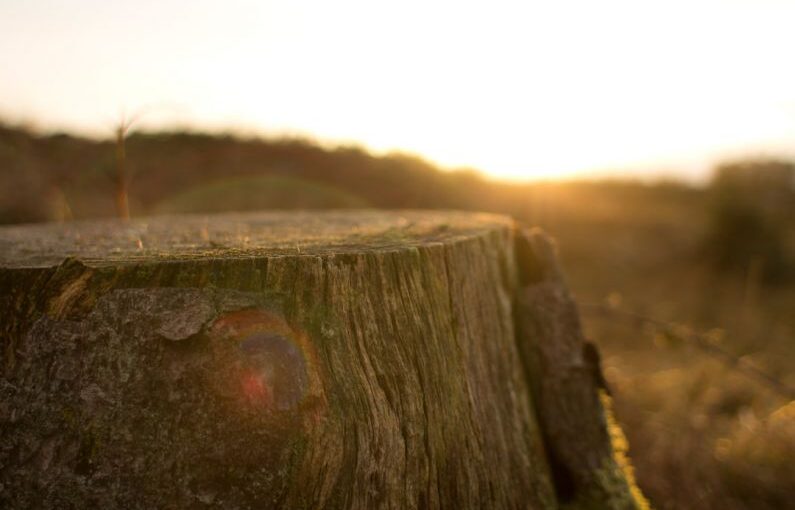
When a tree is removed from your property, it’s not just about cutting it down; the leftover stump also needs attention. The stump can be an eyesore, a tripping hazard, or a potential breeding ground for pests and diseases. Knowing how to handle the leftover stump is crucial to maintaining the aesthetics and safety of your outdoor space.
Understanding the Stump’s Impact
After a tree is cut down, the stump that remains can have various implications for your property. Apart from being visually unappealing, a leftover stump can take up valuable space in your yard, making it challenging to utilize the area effectively. Stumps can also attract insects, such as termites, which could eventually spread to nearby structures like your home. Additionally, stumps can hinder the growth of new vegetation or interfere with landscaping plans.
Removing the Stump
One of the most common approaches to dealing with a leftover stump is stump grinding. This process involves using a specialized machine to grind the stump into small wood chips. Stump grinding is effective in removing the visible portion of the stump, allowing you to reclaim the space and prevent potential hazards. It’s essential to hire professionals for stump grinding to ensure the job is done safely and efficiently.
Chemical stump removal is another method that involves applying chemicals to the stump to accelerate decomposition. While this method is less labor-intensive than stump grinding, it can take several weeks or even months for the stump to break down completely. Chemical stump removal is best suited for smaller stumps that are not a pressing concern.
Natural decay is a slower but environmentally friendly way to handle a leftover stump. Allowing the stump to decompose naturally can take several years, depending on the size of the stump and the surrounding conditions. While this method requires patience, it is a hands-off approach that doesn’t involve heavy machinery or chemicals.
Creative Stump Utilization
Instead of completely removing the stump, some homeowners opt to repurpose it for decorative or functional purposes. Stumps can be transformed into natural planters, serving as unique focal points in your garden. With a bit of creativity and craftsmanship, stumps can also be turned into seating options like stools or tables for outdoor gatherings. By repurposing the leftover stump, you can add a touch of rustic charm to your outdoor space while minimizing waste.
Preventing Stump Regrowth
Even after the visible part of the stump is removed, there is still a risk of regrowth from the remaining roots. To prevent new shoots from sprouting, it’s essential to treat the stump with herbicides specifically designed to inhibit regrowth. Applying herbicides immediately after stump removal can help eliminate any remaining root system and prevent the stump from regenerating.
Maintaining a Stump-Free Environment
Once the leftover stump has been effectively dealt with, it’s crucial to maintain a stump-free environment to prevent future issues. Regularly inspect your property for any signs of new stumps or regrowth and address them promptly. Consider planting new vegetation or installing landscaping features in the previously occupied space to enhance the overall aesthetics of your outdoor area.
Embracing a Stump-Free Future
Handling the leftover stump post-removal is a critical aspect of tree care that often goes overlooked. By understanding the impact of a stump, choosing the appropriate removal method, and exploring creative utilization options, you can effectively manage the aftermath of tree removal. Whether you opt for complete removal, natural decay, or repurposing, taking proactive steps to address the leftover stump will contribute to a safer, more visually appealing outdoor environment.