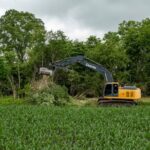
Professional tree services play a crucial role in maintaining the health and aesthetics of our outdoor spaces. Whether it’s tree removal, pruning, or emergency tree care, these services require a high level of expertise and precision. However, with the nature of the work involved, there are inherent risks associated with providing tree services. Risk assessment is a critical component of ensuring the safety of both workers and property during tree service operations.
Understanding the Risks
Before embarking on any tree service project, it is essential to identify and assess the potential risks involved. Tree care professionals encounter a variety of hazards, including working at heights, operating heavy machinery, and exposure to falling branches. By conducting a thorough risk assessment, companies can proactively address these dangers and implement measures to mitigate them.
Assessing the Work Environment
One of the first steps in risk assessment is evaluating the work environment where the tree service will take place. Factors such as the terrain, proximity to structures, and the condition of the tree itself can all impact the level of risk involved. For instance, working near power lines presents a significant hazard that requires specialized training and equipment to mitigate. By thoroughly assessing the work environment, tree service providers can tailor their approach to ensure the safety of both workers and bystanders.
Equipment Inspection and Maintenance
Another critical aspect of risk assessment in professional tree services is the inspection and maintenance of equipment. Chainsaws, chippers, ropes, and harnesses are just a few examples of the tools used in tree care operations. Regular inspection of equipment is essential to identify any potential defects or malfunctions that could compromise safety. Proper maintenance and servicing of equipment not only reduce the risk of accidents but also prolong the lifespan of the tools, ensuring optimal performance.
Training and Certification
The competence of tree care professionals is paramount in ensuring safe and efficient service delivery. Training programs and certification courses provide workers with the necessary skills and knowledge to perform their duties effectively. Arborists and tree climbers must undergo rigorous training to learn the best practices for tree care, safe climbing techniques, and emergency procedures. By investing in training and certification for employees, tree service companies can enhance their reputation and instill confidence in their clients.
Emergency Preparedness
Despite best efforts to mitigate risks, accidents can still occur during tree service operations. Having a comprehensive emergency preparedness plan in place is crucial for responding swiftly and effectively in case of an emergency. This includes protocols for handling injuries, evacuating the work site, and accessing emergency services. By proactively planning for emergencies, tree service providers can minimize the impact of unforeseen incidents and protect the well-being of their workers and clients.
Insurance Coverage
In the event of an accident or property damage during tree service operations, having the appropriate insurance coverage is essential. Liability insurance protects tree service companies from potential legal claims resulting from accidents or injuries on the job. Workers’ compensation insurance provides financial support to employees who are injured or become ill due to their work. By ensuring that they have adequate insurance coverage, tree service providers can safeguard their business and employees from unforeseen liabilities.
Continuous Improvement
Risk assessment in professional tree services is an ongoing process that requires continuous evaluation and improvement. By regularly reviewing and updating safety protocols, training programs, and equipment maintenance procedures, tree service companies can stay ahead of potential risks and ensure the highest standards of safety and quality in their operations. Through a commitment to continuous improvement, tree service providers can build trust with their clients and maintain a strong reputation in the industry.
In conclusion, risk assessment is a fundamental aspect of providing safe and reliable tree services. By identifying potential hazards, evaluating the work environment, maintaining equipment, investing in training, and preparing for emergencies, tree service providers can mitigate risks and ensure the well-being of their workers and clients. With a proactive approach to risk assessment and a commitment to continuous improvement, professional tree services can deliver exceptional results while prioritizing safety above all else.