Pruning trees is an essential part of maintaining their health and appearance. While hiring a professional arborist is often recommended for tree pruning, many homeowners opt for a DIY approach to save money. However, tree pruning can be dangerous if proper safety measures are not followed. In this article, we will discuss important safety measures to keep in mind when pruning trees on your own.
Understanding Tree Pruning Basics
Before delving into safety measures, it is crucial to understand the basics of tree pruning. Proper pruning techniques involve removing dead or diseased branches, shaping the tree for better growth, and improving its overall health. It is important to prune trees at the right time of year and to make clean cuts to prevent damage to the tree.
Inspect the Tree and Surroundings
Before starting any pruning work, it is important to carefully inspect the tree and its surroundings. Look for any signs of damage, such as cracks in the trunk or branches, which could indicate structural weakness. Also, check for overhead power lines or other obstructions that could pose a hazard while pruning.
Use the Right Tools
Using the right tools is essential for safe and effective tree pruning. Sharp pruning shears, loppers, and a pruning saw are commonly used for tree pruning. Make sure your tools are in good condition and properly sharpened before starting the pruning process. This will not only make the job easier but also reduce the risk of accidents.
Wear Protective Gear
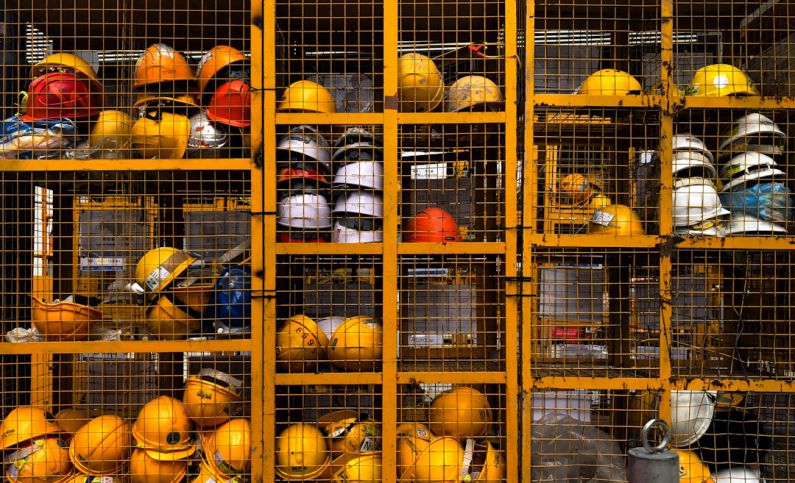
Wearing appropriate protective gear is crucial when pruning trees. This includes safety glasses to protect your eyes from debris, gloves to prevent cuts and blisters, and a helmet to protect your head in case of falling branches. Additionally, wearing long sleeves and pants can help protect your skin from scratches and insect bites.
Maintain Proper Footing
Maintaining proper footing is essential to prevent falls while pruning trees. Make sure you have a stable and flat surface to stand on while working. Avoid climbing on unstable ladders or tree branches, as this can lead to accidents. If you need to use a ladder, make sure it is securely placed on the ground and against the tree to prevent it from slipping.
Work with a Partner
Having a partner while pruning trees can significantly improve safety. Your partner can help stabilize the ladder, pass you tools, or assist in case of an emergency. It is always a good idea to have someone nearby when working at heights to ensure help is available if needed.
Be Mindful of Power Lines
When pruning trees, it is important to be mindful of nearby power lines. Avoid working near power lines or tree branches that are in contact with them. Contacting a power line can be extremely dangerous and even fatal. If you need to prune a tree near power lines, it is best to contact a professional arborist.
Dispose of Debris Properly
After pruning trees, it is important to dispose of the debris properly. Do not leave branches or cuttings lying around, as they can create tripping hazards. Use a tarp or a wheelbarrow to collect the debris and dispose of it in a designated area away from the work site.
Conclusion: Prioritize Safety When Pruning Trees
Pruning trees can be a rewarding activity, but it is important to prioritize safety above all else. By following these safety measures and being cautious while working, you can ensure a successful and accident-free tree pruning experience. Remember, when in doubt, it is always best to seek the help of a professional arborist to avoid potential risks.