Stormwater management is a critical aspect of urban planning and environmental conservation. With the increase in impervious surfaces in urban areas, the natural process of water infiltration into the ground is disrupted, leading to issues such as flooding, erosion, and water pollution. In this context, trees play a crucial role in managing stormwater and mitigating its adverse effects on the environment and communities.
The Power of Tree Canopies
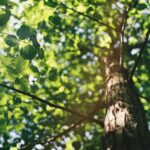
One of the key ways in which trees help manage stormwater is through their canopy. The leaves and branches of trees intercept rainfall, reducing the impact of rainfall on the ground below. This interception of water by tree canopies helps to slow down the rate at which rainwater reaches the ground, allowing more water to infiltrate into the soil and replenish groundwater reserves. Additionally, the canopy of trees provides shade, which helps to reduce the temperature of surfaces like roads and buildings, thereby minimizing the volume of stormwater runoff.
Root Systems and Infiltration
The root systems of trees play a vital role in stormwater management by increasing soil permeability and promoting water infiltration. The roots of trees help to break up compacted soil, creating channels for water to move through and reducing surface runoff. As water infiltrates into the soil, tree roots also absorb some of the water, reducing the volume of stormwater that flows overland and into storm drains. This process not only helps to prevent flooding but also filters out pollutants and sediments from the water, improving water quality downstream.
Erosion Control
Trees are effective at controlling erosion caused by stormwater runoff. The roots of trees bind soil particles together, preventing soil erosion and sedimentation in water bodies. By stabilizing the soil, trees help to maintain the integrity of stream banks and slopes, reducing the risk of landslides and other erosional processes. In addition, the leaf litter and organic matter that accumulate under trees act as a natural mulch, protecting the soil from the impact of raindrops and promoting the growth of beneficial soil microorganisms.
Reducing Urban Heat Island Effect
Urban heat islands are areas in cities that experience higher temperatures than their surrounding rural areas due to the concentration of buildings, roads, and other heat-absorbing surfaces. Trees play a crucial role in reducing the urban heat island effect by providing shade and evaporative cooling. By shading buildings and pavements, trees help to lower surface temperatures and reduce the energy needed for cooling buildings, thereby decreasing the amount of heat released into the atmosphere. The evapotranspiration process of trees also helps to cool the air through the release of water vapor, creating a more comfortable and healthier urban environment.
Community Benefits of Urban Trees
Apart from their environmental benefits, trees provide numerous social and economic benefits to urban communities. Green spaces with trees have been shown to improve mental health, reduce stress, and enhance overall well-being. Trees also increase property values, attract tourists, and create opportunities for recreational activities. By incorporating trees into urban design and planning, cities can create more resilient and sustainable environments that benefit both people and the planet.
In conclusion, trees play a multifaceted role in managing stormwater in urban areas. From reducing stormwater runoff and erosion to mitigating the urban heat island effect and providing social and economic benefits, trees are invaluable assets in creating sustainable and resilient cities. By recognizing the importance of trees in stormwater management and incorporating them into urban planning strategies, we can build healthier, more livable communities for generations to come.