Maintaining the health of your trees is essential to ensure they thrive and enhance the beauty of your landscape. However, trees are susceptible to various diseases that can quickly spread and cause irreversible damage if not detected early. By learning to identify common tree diseases in their early stages, you can take prompt action to prevent further spread and protect your trees. In this article, we will explore some of the most prevalent tree diseases and provide guidance on how to spot them early on.
Understanding the Signs of Tree Diseases
Trees can exhibit a variety of symptoms when they are affected by diseases. It is important to regularly inspect your trees for any unusual changes in their appearance or behavior. Some common signs of tree diseases include:
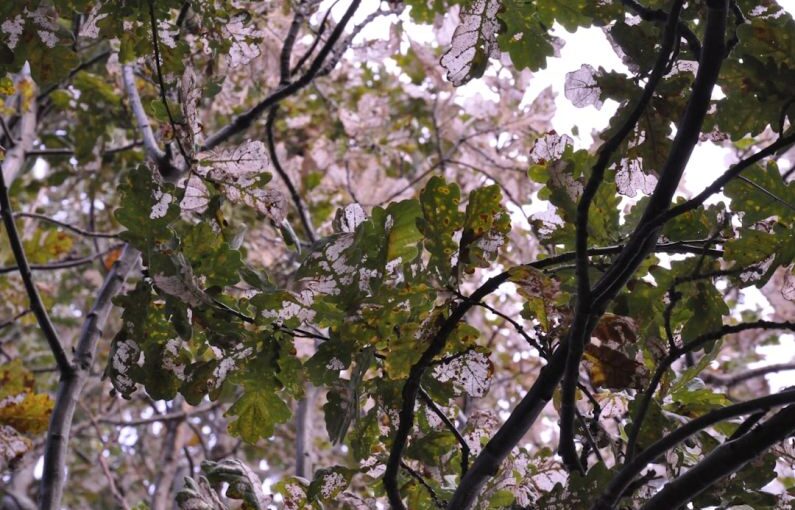
– Discolored or spotted leaves
– Premature leaf drop
– Abnormal growths or swellings on the trunk or branches
– Bark discoloration or peeling
– Fungal growth on the tree
– Insect infestations
– Wilting or stunted growth
By familiarizing yourself with these symptoms, you can quickly identify when a tree is not in optimal health and take action to address the issue.
Spotting Common Tree Diseases
1. Anthracnose: Anthracnose is a fungal disease that affects a wide range of trees, including maple, oak, and sycamore. Symptoms of anthracnose include dark, water-soaked spots on leaves, premature leaf drop, and twig dieback. To manage anthracnose, prune infected branches, improve air circulation around the tree, and avoid overhead watering.
2. Powdery Mildew: Powdery mildew is a common fungal disease that appears as a white, powdery substance on the leaves of trees such as apple, cherry, and rose. To control powdery mildew, remove and destroy infected leaves, avoid overhead watering, and plant resistant tree varieties.
3. Fire Blight: Fire blight is a bacterial disease that primarily affects fruit trees such as pear and apple. Symptoms of fire blight include wilting, blackened leaves, and a scorched appearance on the branches. To manage fire blight, prune infected branches, disinfect pruning tools between cuts, and apply copper-based fungicides.
4. Oak Wilt: Oak wilt is a fungal disease that affects oak trees, causing wilting, browning of leaves, and rapid tree decline. To prevent the spread of oak wilt, promptly remove and destroy infected trees, avoid pruning during the growing season, and plant resistant tree species.
Taking Action to Preserve Tree Health
Early detection of tree diseases is crucial in preventing their spread and preserving the health of your trees. If you suspect that a tree in your landscape is affected by a disease, consider the following steps to address the issue:
– Consult with a certified arborist for an accurate diagnosis and treatment plan.
– Implement cultural practices such as proper watering, mulching, and fertilization to promote tree health.
– Prune infected branches using sanitized tools to prevent the spread of disease.
– Remove and destroy severely infected trees to prevent the spread of pathogens to other trees.
By being vigilant in monitoring the health of your trees and taking proactive measures to address any signs of disease, you can protect your landscape from the devastating effects of tree diseases and ensure the long-term vitality of your trees.
Maintaining a Healthy Tree Environment
Ensuring the health of your trees requires ongoing care and attention to prevent and manage common tree diseases. By staying informed about the signs of tree diseases, implementing preventive measures, and seeking professional assistance when needed, you can create a thriving tree environment that enhances the beauty and value of your landscape. Remember, early detection is key to effectively managing tree diseases and preserving the vitality of your trees for years to come.