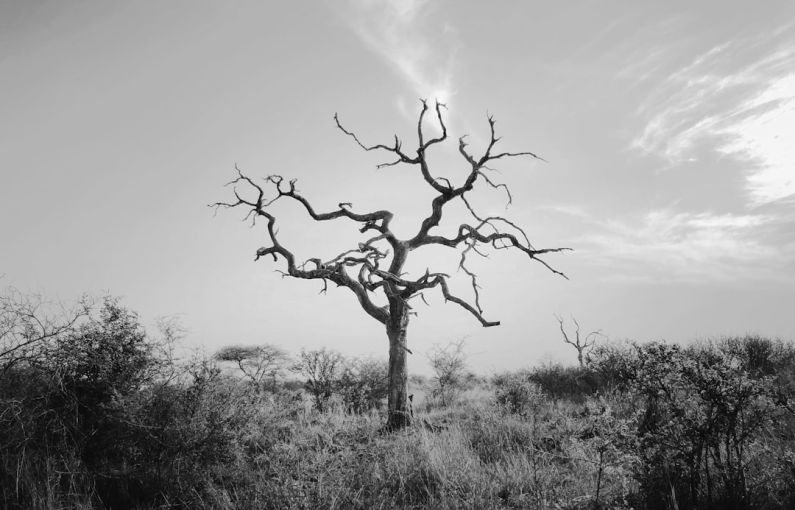
Dead trees, while they may seem harmless at first glance, can actually pose significant risks if left standing in your yard or property. It’s important to understand the potential dangers associated with keeping a dead tree upright, as well as the reasons why timely removal is crucial for safety and overall landscape health.
**The Hidden Dangers**
Dead trees, also known as “snags,” may appear sturdy from the outside, but they are often weakened on the inside. The lack of foliage and the decaying process make these trees vulnerable to various issues that can compromise their structural integrity. One of the primary risks of leaving a dead tree standing is the possibility of it falling unexpectedly. Dead trees are more prone to being toppled by strong winds, heavy rain, or even their weight alone. This can result in property damage, injury, or even fatality if the tree falls on structures, vehicles, or individuals.
Additionally, dead trees can attract pests and diseases that can spread to nearby healthy trees. Insects, such as beetles and termites, are drawn to decaying wood and can use a dead tree as a breeding ground. Once infested, these pests can quickly move on to other trees in the vicinity, causing widespread damage to your landscape. Diseases that affect dead trees can also be transmitted to living vegetation, posing a threat to the overall health of your garden or forested area.
**Fire Hazard**
Another significant risk associated with leaving a dead tree standing is the increased likelihood of a fire hazard. Dead trees are highly flammable due to their dry and brittle nature. In the event of a wildfire, a dead tree can serve as fuel, spreading the flames and intensifying the blaze. This not only endangers your property but also poses a threat to the surrounding environment and wildlife. Removing dead trees can help reduce the risk of fire and protect your landscape from potential devastation.
**Liability Concerns**
From a legal standpoint, failing to address a dead tree on your property can lead to liability issues. If the tree falls and causes damage to neighboring properties or injures someone, you could be held responsible for the damages. Property owners have a duty of care to maintain their premises in a safe condition, which includes addressing potential hazards like dead trees. By neglecting to remove a dead tree, you not only put yourself at risk of financial liability but also jeopardize the safety of others who may be affected by its collapse.
**Environmental Impact**
Beyond the immediate risks associated with dead trees, there is also an environmental impact to consider. Dead trees play a crucial role in ecosystems as they provide habitats for various wildlife species. By allowing a dead tree to remain standing, you are preserving a valuable resource for birds, insects, and other creatures that rely on decaying wood for shelter and food. However, if a dead tree poses a safety hazard or is infected with pests or diseases, its removal may be necessary to protect the surrounding environment and prevent further damage to the ecosystem.
**Conclusion: Safeguarding Your Property and Environment**
In conclusion, the risks of leaving a dead tree standing are numerous and should not be underestimated. From safety concerns and fire hazards to liability issues and environmental impact, the decision to remove a dead tree is a responsible choice that benefits both your property and the surrounding ecosystem. By promptly addressing the presence of dead trees on your land, you can safeguard your landscape, protect against potential dangers, and contribute to the overall health and vitality of your outdoor space. Don’t wait until it’s too late – take action to remove dead trees and ensure a safe and thriving environment for yourself and your community.