Trees are not just beautiful additions to your property; they also play a crucial role in maintaining a healthy environment. As a homeowner, it is important to understand the basics of tree care to ensure the well-being of your trees and the safety of your surroundings. By following some simple guidelines and practices, you can help your trees thrive and contribute positively to your home’s landscape.
Understanding Tree Needs
Before delving into the specifics of tree care, it is vital to understand the basic needs of trees. Trees require water, sunlight, nutrients, and space to grow healthily. Lack of any of these elements can lead to stunted growth, disease susceptibility, or even death. As a homeowner, it is your responsibility to provide your trees with the necessary care to ensure their well-being.
Watering
Proper watering is essential for the health of your trees, especially during dry spells or drought conditions. It is important to water your trees deeply and infrequently rather than shallowly and frequently. Deep watering encourages the growth of deep roots, which makes trees more resilient to drought and stress. Be sure to water at the base of the tree and avoid wetting the leaves, as this can promote disease.
Mulching
Mulching is another important aspect of tree care that can benefit your trees in various ways. Mulch helps retain soil moisture, regulates soil temperature, suppresses weed growth, and improves soil quality as it decomposes. When mulching around your trees, ensure that the mulch is spread evenly and that it does not touch the tree trunk, as this can lead to moisture-related issues and pest infestations.
Pruning
Regular pruning is essential for maintaining the health and aesthetics of your trees. Pruning helps remove dead or diseased branches, improves air circulation within the canopy, and shapes the tree for better growth. When pruning your trees, make sure to use proper tools and techniques to avoid causing damage. It is recommended to prune during the dormant season to minimize stress on the tree.
Pest and Disease Management
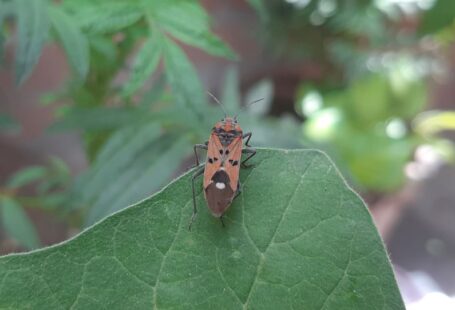
Trees are susceptible to various pests and diseases that can compromise their health and vitality. As a homeowner, it is important to monitor your trees regularly for any signs of pest infestations or diseases. Early detection can help prevent the spread of pests and diseases and mitigate potential damage. If you notice any unusual symptoms on your trees, such as wilting leaves, unusual spots, or pest activity, consult with a professional arborist for appropriate treatment options.
Support and Protection
In some cases, trees may require additional support or protection to ensure their stability and longevity. Young trees, in particular, may benefit from staking to help them establish strong root systems. Additionally, installing tree guards or barriers can protect trees from mechanical damage, such as lawnmower accidents or animal browsing. Assess your trees’ surroundings and provide the necessary support and protection where needed.
Environmental Considerations
When caring for your trees, it is important to consider the environmental factors that may impact their health. Factors such as soil quality, sunlight exposure, and proximity to buildings or structures can affect the growth and development of trees. Understanding these environmental considerations can help you make informed decisions regarding tree care practices and ensure the well-being of your trees.
Conclusion: Ensuring the Health and Beauty of Your Trees
Taking care of your trees is not just a responsibility; it is an investment in the beauty and health of your property. By following the basic tree care practices outlined in this overview, you can contribute to the longevity and vitality of your trees while enhancing the aesthetic appeal of your landscape. Remember that each tree is unique and may have specific care requirements, so it is important to observe and adapt your care practices accordingly. With proper care and attention, your trees will continue to thrive and provide numerous benefits for years to come.