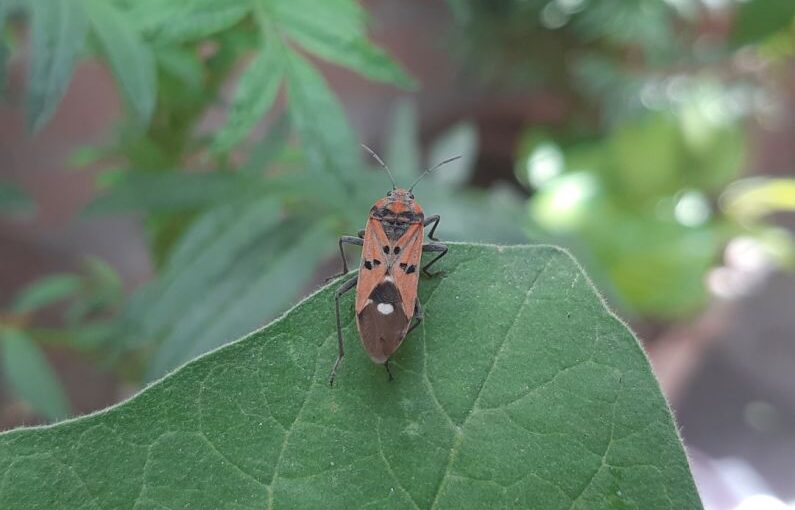
Trees are essential components of our environment, providing us with oxygen, shade, and beauty. However, they are susceptible to various pests that can harm their health and growth. To ensure the well-being of trees, it is crucial to protect them from seasonal pests that can cause significant damage if left unchecked.
Identifying Common Seasonal Pests
Seasonal pests can vary depending on the time of year and the location of the trees. Some common pests that trees may encounter include aphids, caterpillars, beetles, and mites. These pests can cause issues such as leaf damage, stunted growth, and even tree death if not addressed promptly.
Aphids are small insects that feed on the sap of trees, causing leaves to curl and turn yellow. Caterpillars can defoliate trees by eating their leaves, while beetles can bore into the trunk, weakening the tree’s structure. Mites are tiny pests that can cause discoloration and distortion of leaves, affecting the tree’s ability to photosynthesize.
Implementing Preventive Measures
One of the most effective ways to protect trees from seasonal pests is to implement preventive measures. Regularly inspecting trees for signs of pest infestation is crucial in catching the problem early. Look out for yellowing or curling leaves, holes in the bark, or unusual growth patterns.
Maintaining tree health is also essential in preventing pest infestations. Healthy trees are better equipped to defend themselves against pests, so it is crucial to provide them with proper nutrients, water, and sunlight. Pruning trees regularly can help improve air circulation and reduce the risk of pest infestations.
Using Natural Pest Control Methods
When it comes to controlling seasonal pests, opting for natural methods is often the safest and most environmentally friendly approach. One effective method is introducing beneficial insects that prey on pest insects. Ladybugs, lacewings, and parasitic wasps are natural predators that can help keep pest populations in check.
Neem oil is another natural pest control option that can be used to deter a wide range of pests. It is derived from the neem tree and works by disrupting the feeding and reproductive processes of insects. Applying neem oil to trees regularly can help prevent pest infestations and protect tree health.
Incorporating Physical Barriers
Physical barriers can also be effective in protecting trees from seasonal pests. Installing tree wraps or collars around the base of young trees can prevent damage from rodents and other small animals that may feed on the bark. Wrapping tree trunks with burlap or hardware cloth can also help deter pests like beetles and caterpillars.
Additionally, placing sticky traps around trees can help capture flying pests like aphids and beetles. These traps work by attracting pests with a sticky substance that prevents them from reaching the tree. Regularly monitoring and replacing sticky traps can help reduce pest populations and protect tree health.
Maintaining a Clean Environment
Keeping the area around trees clean and free of debris can also help prevent pest infestations. Pests often hide in leaf litter, fallen fruit, and other organic matter, so regularly cleaning up around trees can reduce their habitat. Raking up leaves, removing dead branches, and pruning overgrown vegetation can all help create a less hospitable environment for pests.
Conclusion: Ensuring the Health and Longevity of Trees
Protecting trees from seasonal pests is essential in maintaining their health and longevity. By identifying common pests, implementing preventive measures, using natural pest control methods, incorporating physical barriers, and maintaining a clean environment, tree owners can help safeguard their trees against potential threats. With proper care and attention, trees can thrive and continue to benefit the environment for years to come.