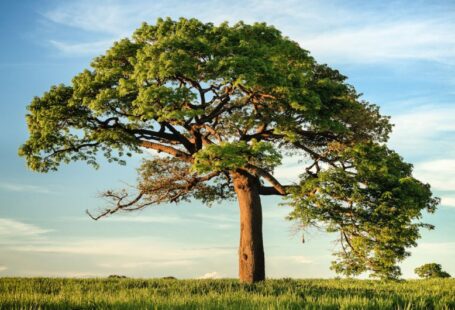
Trees are an essential part of our ecosystem, providing oxygen, shade, and habitat for various animals. However, these majestic beings are often vulnerable to damage caused by animals such as deer, rabbits, squirrels, and insects. Safeguarding trees from animal damage is crucial to ensure their health and longevity. In this article, we will explore effective strategies to protect trees from animal threats and preserve their beauty and benefits for generations to come.
Understanding the Threat
Before delving into methods of safeguarding trees, it is important to understand the types of damage animals can inflict. Deer are known for rubbing their antlers against tree trunks, causing bark damage that can lead to tree death. Rabbits and other small mammals may nibble on young tree bark, hindering growth and potentially killing the tree. Squirrels often chew on tree branches and may strip bark for nesting material, weakening the tree’s structure. Insects, such as beetles and caterpillars, can also cause significant damage by feeding on leaves, bark, or wood.
Physical Barriers
One effective way to protect trees from animal damage is by using physical barriers. Wrapping tree trunks with wire mesh or plastic tree guards can prevent deer and rabbits from accessing the bark. These barriers should be placed around the base of the tree and secured to deter animals from reaching the vulnerable trunk. Additionally, installing tree wraps made of burlap or hardware cloth can protect young trees from sunscald and animal browsing.
Repellents and Deterrents
Another approach to safeguarding trees is the use of repellents and deterrents to discourage animals from causing harm. Commercial repellents containing natural ingredients like garlic, pepper, or predator urine can be sprayed on trees to make them less appealing to animals. Alternatively, hanging shiny objects such as CDs or aluminum foil strips from tree branches can startle and deter squirrels and birds. Motion-activated devices that emit sounds or lights can also be effective in scaring away animals from trees.
Pruning and Maintenance
Proper tree maintenance practices can help reduce the risk of animal damage. Regular pruning of low-hanging branches can prevent squirrels from accessing tree canopies and discourage nesting. Removing dead or diseased branches will not only improve the tree’s health but also eliminate potential food sources for insects. Keeping the area around trees clean and free of debris can also deter animals from making homes near trees.
Natural Predators
Encouraging natural predators of tree-damaging animals can be a sustainable way to control populations and protect trees. Installing bird feeders or nesting boxes can attract birds of prey like hawks and owls, which feed on small mammals and insects. Predatory insects such as ladybugs and praying mantises can help control pest populations that damage trees. Creating a balanced ecosystem around trees can help maintain a natural equilibrium and reduce the need for human intervention.
Conclusion: Preserving Tree Health
Safeguarding trees from animal damage is essential to preserve their health and beauty. By understanding the threats posed by animals, implementing physical barriers, using repellents and deterrents, practicing proper tree maintenance, and promoting natural predators, we can protect trees and ensure their continued contribution to our environment. Taking proactive steps to safeguard trees from animal damage not only benefits the individual trees but also supports the overall health of our ecosystem. Let us join hands in protecting and cherishing these silent giants that play a vital role in sustaining life on our planet.