As the seasons change, so do the needs of our gardens. One crucial aspect of maintaining a healthy and vibrant garden is seasonal pruning. Knowing what to trim and when can make a significant difference in the overall health and appearance of your plants. In this guide, we will explore the art of seasonal pruning and provide you with essential tips to help you keep your garden in top shape throughout the year.
Understanding the Basics of Seasonal Pruning
Pruning is the practice of cutting away dead or overgrown branches and stems to promote healthy growth and improve the overall appearance of plants. When done correctly and at the right time, pruning can encourage new growth, increase flower production, and prevent diseases. Each season brings different pruning needs, and understanding these nuances is key to successful garden maintenance.
Spring Pruning: Renewal and Growth
Spring is a time of renewal in the garden, making it an ideal season for rejuvenating your plants through pruning. As temperatures begin to rise and plants awaken from their winter dormancy, it is essential to remove any dead or damaged branches that may have been affected by the cold weather. Spring pruning also helps stimulate new growth and encourages plants to flourish throughout the growing season.
When pruning in spring, focus on shrubs and trees that bloom in late spring or summer. Trim away any dead or diseased branches to allow for healthy new growth. Be cautious not to trim too early in the season, as some plants may still be at risk of frost damage. It is best to wait until the threat of frost has passed before embarking on your spring pruning routine.
Summer Pruning: Shaping and Maintenance
Summer is a time of vigorous growth in the garden, making it an excellent opportunity to shape and maintain your plants through selective pruning. During the summer months, focus on removing any overgrown or wayward branches to help maintain the shape and size of your plants. Summer pruning can also help improve air circulation and sunlight penetration, which is crucial for overall plant health.
When pruning in summer, pay special attention to flowering shrubs that have finished blooming. Trim away any spent flowers to encourage a second flush of blooms or prevent the plant from going to seed. Summer is also a good time to prune fruit trees to improve fruit production and shape the tree for better harvests in the future.
Fall Pruning: Preparation for Winter
Fall is a critical time for preparing your garden for the winter months ahead. As the temperatures begin to cool and plants start to go dormant, fall pruning can help tidy up your garden and remove any potential hazards before the harsh winter weather sets in. Focus on removing any dead or diseased branches, as well as thinning out crowded areas to improve air circulation.
When pruning in fall, be mindful of plants that are sensitive to cold temperatures. Avoid heavy pruning on frost-sensitive plants, as this can leave them vulnerable to winter damage. Instead, focus on light maintenance pruning to keep your garden looking neat and tidy throughout the fall and winter seasons.
Winter Pruning: Dormancy and Structural Maintenance
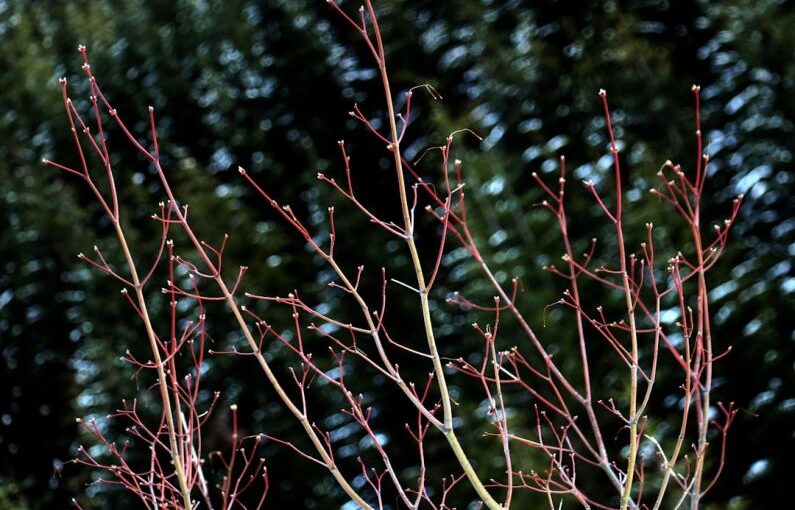
Winter may seem like a quiet time in the garden, but it is an excellent opportunity for structural pruning and maintenance. With the leaves gone and plants in dormancy, winter pruning allows you to assess the overall shape and health of your plants more easily. Use this time to prune deciduous trees and shrubs to remove any crossed or rubbing branches, as well as to shape the plant for the coming growing season.
When pruning in winter, be cautious of plants that are sensitive to cold temperatures. Avoid heavy pruning during freezing weather, as this can lead to further damage. Instead, focus on selective pruning to improve the structure and appearance of your plants while they are dormant.
Conclusion: A Year-Round Approach to Seasonal Pruning
Seasonal pruning is an essential aspect of garden maintenance that requires a year-round approach. By understanding the specific needs of your plants and timing your pruning efforts accordingly, you can promote healthy growth, improve flower production, and maintain the overall appearance of your garden. Remember to always use sharp, clean tools and make cuts at the correct angle to minimize damage and promote rapid healing. With these tips in mind, you can enjoy a thriving and beautiful garden throughout the changing seasons.