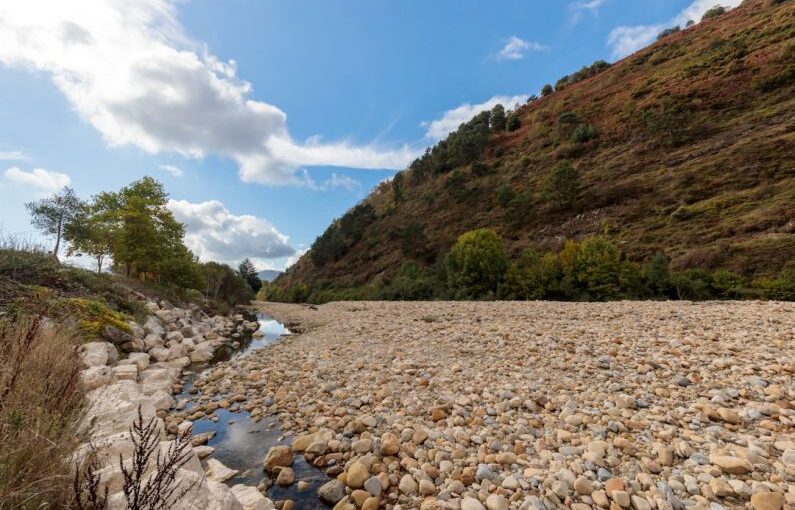
Drought is a natural disaster that has profound effects on the environment, particularly on trees. Trees are essential components of ecosystems, providing numerous benefits such as oxygen production, carbon sequestration, and habitat for wildlife. When faced with prolonged periods of drought, trees can suffer significant damage, leading to reduced growth, increased susceptibility to diseases, and even death. Understanding the impact of drought on trees and implementing strategies to counteract its effects is crucial for the preservation of our forests and the sustainability of our ecosystems.
**The Impact of Drought on Trees**
Drought stress occurs when trees experience a lack of water availability, either due to insufficient rainfall or high temperatures that lead to increased evapotranspiration. During periods of drought, trees are unable to absorb an adequate amount of water from the soil, resulting in dehydration and physiological stress. The impact of drought on trees can be observed through various symptoms, including wilting leaves, browning of foliage, reduced growth, and premature leaf drop.
**Root Damage**
One of the most significant impacts of drought on trees is root damage. Roots are responsible for absorbing water and nutrients from the soil, but during drought conditions, the lack of water can cause roots to shrink and become less efficient at water uptake. As a result, trees may experience stunted growth and nutrient deficiencies, making them more susceptible to pests and diseases.
**Reduced Photosynthesis**
Drought stress can also lead to a reduction in photosynthetic activity in trees. Photosynthesis is the process by which trees convert sunlight into energy, but under drought conditions, trees may close their stomata to conserve water, thereby reducing the intake of carbon dioxide needed for photosynthesis. This reduction in photosynthesis can result in decreased growth and weakened overall health in trees.
**Increased Vulnerability to Pests and Diseases**
Trees that are stressed by drought are more susceptible to infestations by pests and diseases. Drought-weakened trees produce fewer defensive compounds, making them easy targets for insects and pathogens. Pests such as bark beetles and diseases like root rot can quickly take advantage of the weakened state of drought-stressed trees, further exacerbating their decline.
**Strategies to Counteract the Impact of Drought on Trees**
While drought can have devastating effects on trees, there are strategies that can help mitigate its impact and promote the resilience of trees in the face of water scarcity.
**Mulching**
Mulching is a simple yet effective technique to help trees retain moisture in the soil. By applying a layer of organic mulch around the base of trees, evaporation is reduced, soil temperature is regulated, and water infiltration is improved. Mulching also helps suppress weed growth, which can compete with trees for water and nutrients during drought conditions.
**Watering**
During periods of drought, supplemental watering can help trees survive and recover. Deep watering is recommended to encourage deep root growth and reduce surface evaporation. Watering should be done slowly and deeply, ensuring that the entire root zone is moistened. It is essential to water trees early in the morning or late in the evening to minimize water loss through evaporation.
**Pruning**
Pruning can help improve the overall health and vigor of trees, making them more resilient to drought stress. Removing dead or damaged branches can reduce water loss and improve air circulation within the canopy. Pruning can also help stimulate new growth and promote the development of a strong tree structure.
**Conclusion: Sustaining Tree Health in the Face of Drought**
Drought poses a significant threat to trees, impacting their growth, health, and overall survival. By understanding the effects of drought on trees and implementing proactive strategies such as mulching, watering, and pruning, we can help trees withstand drought conditions and thrive in challenging environments. Protecting our trees is essential for the preservation of our ecosystems and the well-being of future generations. Let us continue to care for our trees and support their resilience in the face of climate change and environmental challenges.