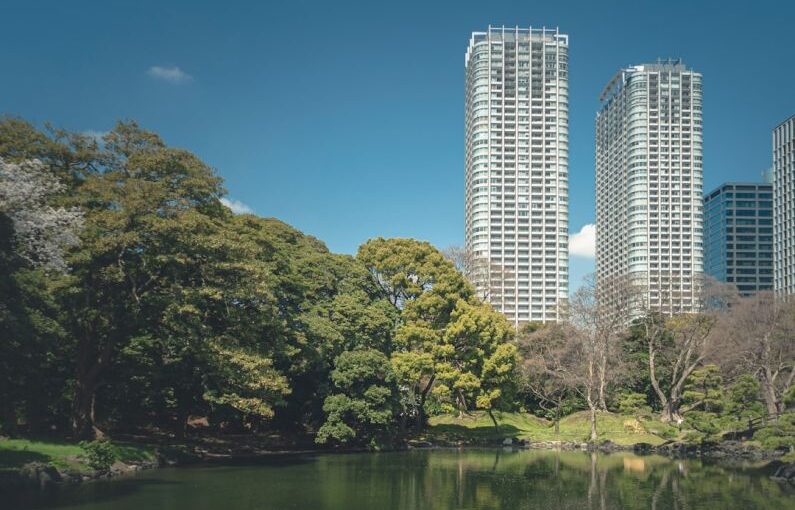
Urban environments can often be challenging for plant life to thrive due to pollution, limited space, and competition for resources. However, there are several tree species that have shown remarkable resilience and adaptability to urban settings. These trees not only survive but also thrive, providing numerous benefits to the environment and the people living in cities.
**Benefits of Urban Trees**
Before delving into the specific tree species that thrive in urban environments, it is essential to understand the benefits that urban trees offer. Trees in cities help improve air quality by absorbing pollutants such as carbon dioxide, ozone, and sulfur dioxide. They also provide shade, reducing the urban heat island effect and lowering energy costs for cooling buildings. Additionally, trees help mitigate stormwater runoff, reduce noise pollution, and provide habitat for wildlife.
**Ginkgo Biloba**
One of the most resilient trees in urban environments is the Ginkgo Biloba, also known as the maidenhair tree. This ancient tree species has been around for millions of years and can adapt to a wide range of growing conditions. Ginkgo trees are tolerant of pollution, drought, and soil compaction, making them ideal for urban settings. Their unique fan-shaped leaves turn a beautiful golden-yellow in the fall, adding a touch of color to city landscapes.
**London Plane Tree**
The London Plane tree is another species that thrives in urban environments. This hybrid tree is a cross between the American Sycamore and the Oriental Plane tree, combining the best traits of both parents. London Plane trees are resistant to pollution, pests, and diseases, making them a popular choice for city streets and parks. Their large, maple-like leaves provide ample shade, while their mottled bark adds visual interest to urban landscapes.
**Japanese Zelkova**
Japanese Zelkova is a versatile tree that is well-suited to urban environments. This deciduous tree features a vase-like shape and serrated leaves that turn vibrant shades of red and orange in the fall. Japanese Zelkova trees are tolerant of pollution, compacted soil, and drought, making them a great choice for city planting. In addition to their ornamental value, these trees provide habitat for birds and other wildlife in urban areas.
**Honey Locust**
Honey Locust trees are known for their delicate, fern-like foliage and thornless branches, making them a popular choice for urban landscaping. These trees are tolerant of pollution, heat, and drought, thriving in the harsh conditions of city environments. Honey Locust trees also produce clusters of fragrant flowers in the spring, attracting pollinators such as bees and butterflies. Their ability to withstand urban stresses makes them a valuable addition to city streets and parks.
**Conclusion: The Resilience of Urban Trees**
In conclusion, trees play a vital role in urban environments, providing numerous benefits to both the ecosystem and the people living in cities. The species mentioned above are just a few examples of trees that have shown remarkable resilience and adaptability to urban settings. By planting and caring for these trees, cities can improve air quality, reduce the urban heat island effect, and create more livable spaces for their residents. Investing in urban tree planting is not only beneficial for the environment but also contributes to the overall health and well-being of urban communities.