Maintaining a healthy and vibrant garden year-round requires attention to detail and proper care. One crucial aspect of garden maintenance is pruning, a task that varies depending on the season. By understanding the best practices for pruning across different seasons, you can ensure that your plants thrive and flourish throughout the year.
**Winter Pruning: Setting the Stage for Growth**
As the winter season sets in, most plants go dormant, making it an ideal time for pruning. Winter pruning helps shape the plant’s growth and prepares it for the upcoming spring season. Start by removing dead or diseased branches to promote overall plant health. Additionally, prune any overgrown branches to maintain the plant’s shape and structure. Remember to sterilize your pruning tools between cuts to prevent the spread of diseases.
**Spring Pruning: Stimulating Growth and Flowering**
Spring is a time of renewal and growth in the garden. When pruning during spring, focus on removing any remaining deadwood from the winter and shaping the plant for the upcoming growing season. Pay special attention to flowering shrubs and trees, as pruning at the wrong time can impact their blooming. Remove old flowers to encourage new growth and stimulate flowering. Be cautious not to prune too late in spring, as it can hinder the plant’s ability to bloom.
**Summer Pruning: Maintaining Vigor and Shape**
In the summer months, plants are in full growth mode, making it an excellent time for light pruning to maintain their vigor and shape. Remove any crossing or overcrowded branches to improve air circulation and sunlight penetration. Summer pruning can also help control the size of the plant and prevent it from becoming unruly. Avoid heavy pruning during this time, as it can stress the plant due to the high temperatures.
**Fall Pruning: Preparing for Dormancy**
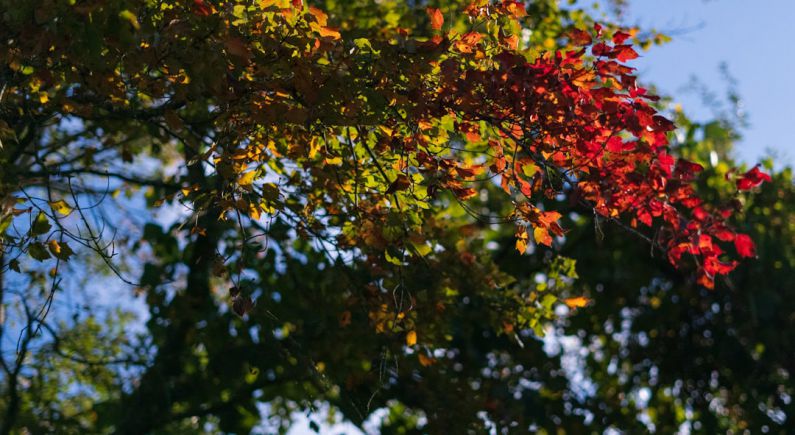
As the days grow shorter and temperatures cool down, fall pruning becomes essential to prepare plants for dormancy. Focus on removing any diseased or damaged branches before winter sets in. Trim back overgrown branches to prevent them from becoming susceptible to winter damage. Fall pruning also allows you to shape the plant before it goes dormant, ensuring a healthy start to the next growing season.
**Tools of the Trade: Choosing the Right Equipment**
When it comes to pruning, having the right tools is essential for the task at hand. Invest in high-quality pruning shears, loppers, and saws to make clean and precise cuts. Different plants may require specific tools, so familiarize yourself with the needs of your garden before starting the pruning process. Keep your tools sharp and well maintained to ensure they perform effectively and minimize damage to the plants.
**Pruning Dos and Don’ts: Tips for Success**
– Do prune at the right time of year to promote healthy growth and flowering.
– Do sterilize your pruning tools to prevent the spread of diseases.
– Do research the specific pruning needs of each plant in your garden.
– Don’t prune too late in the season, as it can affect the plant’s ability to bloom.
– Don’t remove more than one-third of the plant’s growth at a time to prevent stress.
**In Summary: Nurturing Your Garden Through Pruning**
Pruning is a vital aspect of garden maintenance that should be done with care and consideration for the needs of each plant. By following the best practices for pruning across different seasons, you can promote healthy growth, flowering, and overall vitality in your garden. Remember to tailor your pruning techniques to the specific requirements of each plant and enjoy the rewards of a well-maintained and flourishing garden throughout the year.