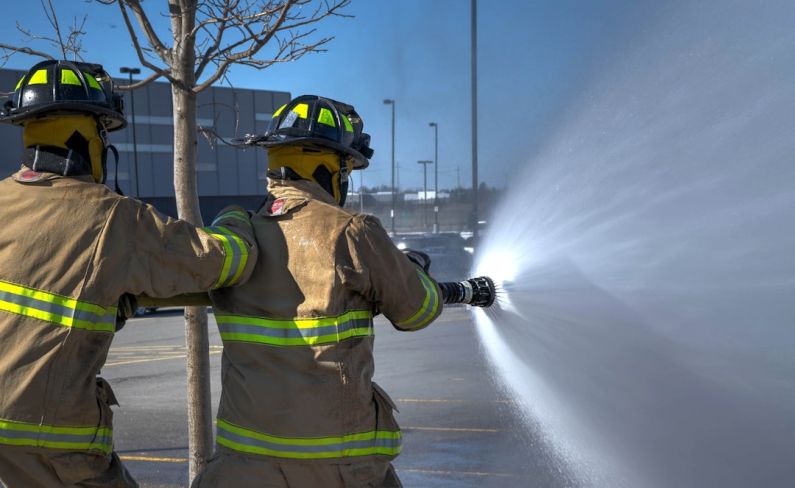
Tree work is a demanding and potentially hazardous job that requires the right equipment to ensure safety and efficiency. One of the most crucial aspects of tree work is the use of protective gear. Proper protective gear not only protects workers from serious injuries but also allows them to perform their tasks with confidence and peace of mind. In this article, we will explore the importance of protective gear in tree work and why it should never be overlooked.
Protecting the Head and Face
The head and face are particularly vulnerable areas when it comes to tree work. Falling branches, debris, or equipment can pose a significant risk to workers, making the use of helmets and face shields essential. Helmets provide a vital layer of protection against head injuries caused by impact or falling objects, while face shields offer protection from flying wood chips, dust, and other debris. Additionally, helmets with ear protection can help reduce the risk of hearing damage from loud equipment such as chainsaws.
Protecting the Body
The body is also at risk during tree work, with the potential for cuts, scrapes, and more serious injuries from falls or equipment malfunctions. Wearing protective clothing such as chainsaw chaps, gloves, and high-visibility clothing can help prevent these injuries. Chainsaw chaps, for example, are designed to stop a moving chainsaw blade in the event of an accidental contact, reducing the risk of severe lacerations to the legs. Meanwhile, gloves protect the hands from cuts, abrasions, and blisters, while high-visibility clothing ensures that workers are easily seen, especially in dense foliage or low-light conditions.
Protecting the Hands and Feet
Hands and feet are constantly in use during tree work, making them susceptible to injuries from cuts, punctures, or crushing. Using appropriate gloves and footwear is essential to safeguard these body parts. Gloves with reinforced palms and fingers provide extra protection against sharp objects and rough surfaces, while sturdy, slip-resistant boots with steel toe caps protect the feet from falling branches, tools, or other hazards. Proper footwear also offers good ankle support, reducing the risk of sprains or twists on uneven terrain.
Protecting Against Climbing Hazards
For tree climbers, additional protective gear is required to mitigate the risks associated with working at height. Climbing harnesses, lanyards, and helmets with visors are essential for ensuring the safety of arborists who ascend trees to prune branches or remove deadwood. Harnesses distribute the body’s weight evenly and provide support during ascent and descent, while lanyards secure climbers to the tree, preventing falls. Helmets with visors offer protection from branches, twigs, and other overhead hazards, reducing the risk of head injuries while working aloft.
Maintaining Equipment and Replacing Worn Gear
In addition to wearing protective gear, it is equally important to regularly inspect and maintain the equipment to ensure that it functions correctly and provides adequate protection. Damaged or worn-out gear should be promptly replaced to prevent injuries and maintain a safe working environment. Investing in high-quality protective gear is a worthwhile endeavor that not only protects workers but also promotes efficiency and professionalism in tree work operations.
Emphasizing Safety Culture
Ultimately, the use of protective gear in tree work is not just about compliance with regulations but about fostering a culture of safety within the industry. By prioritizing the safety and well-being of workers, employers demonstrate their commitment to responsible practices and sustainable operations. Training employees on the proper use of protective gear and encouraging a safety-first mentality can go a long way in preventing accidents and promoting a positive work environment.
In conclusion, protective gear plays a vital role in ensuring the safety and productivity of tree work operations. From helmets and gloves to harnesses and chaps, each piece of protective gear serves a specific purpose in safeguarding workers from various hazards encountered in the field. By investing in high-quality gear, maintaining equipment, and promoting a safety culture, tree care professionals can mitigate risks, prevent injuries, and uphold the highest standards of professionalism in their work. Remember, when it comes to tree work, safety should always come first.